Interviews
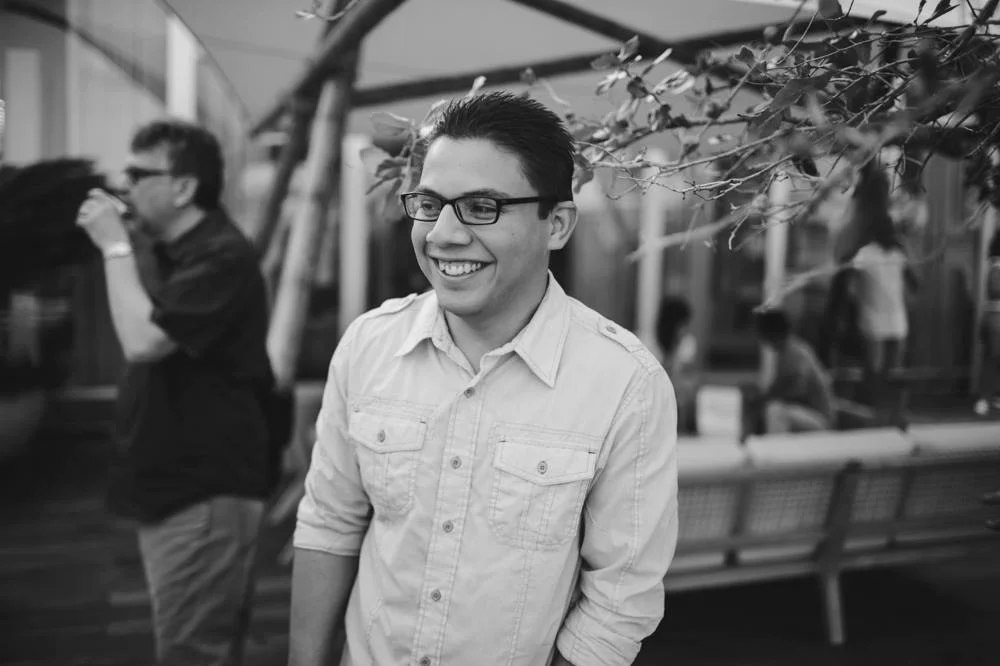
Ariel Francisco is a marvel. Francisco’s poetry stirringly strikes the balance between the colloquial and the traditional, the hip and classic, the witty and the mournful. In his newest collection All My Heroes Are Broke, Francisco examines the worlds of the wandering poet, immigrant families, the lure and grittiness of South Florida and New York, and the appeal of our heroes, whether they are canonized writers, parents, strangers or rappers from Minnesota and New York. With warmth, swaggered grace, and searing stanza, Francisco’s poetry envelops you, makes you ponder and root. Francisco’s work takes you to the heart of why poetry matters: because enduring language and accessible truths matter. He is also a teacher, an ardent literary citizen, and an advocate for poetry in all its forms.
Francisco is the author of All My Heroes Are Broke (C&R Press, 2017) and Before Snowfall, After Rain (Glass Poetry Press, 2016). He was born in the Bronx to Dominican and Guatemalan parents, and completed his MFA at Florida International University in Miami. His poems have appeared or are forthcoming in The Academy of American Poets, The American Poetry Review, Best New Poets 2016, Gulf Coast, Washington Square, and elsewhere. He lives and teaches in South Florida.
In this interview from 2017, we talk about assembling a poetry collection, finding your voice, music, and “broke-ness” amongst other topics.

Dustin Pearson’s poetry is next-level. In his newest collection Millennial Roost, Pearson shocks, comforts and thrills, digging into challenging relationships with heart-wrenching, fresh, and often delightfully satirical language. With sly turns of phrase and a punch-in-the-gut command of the emotion, his poetry commands attention.
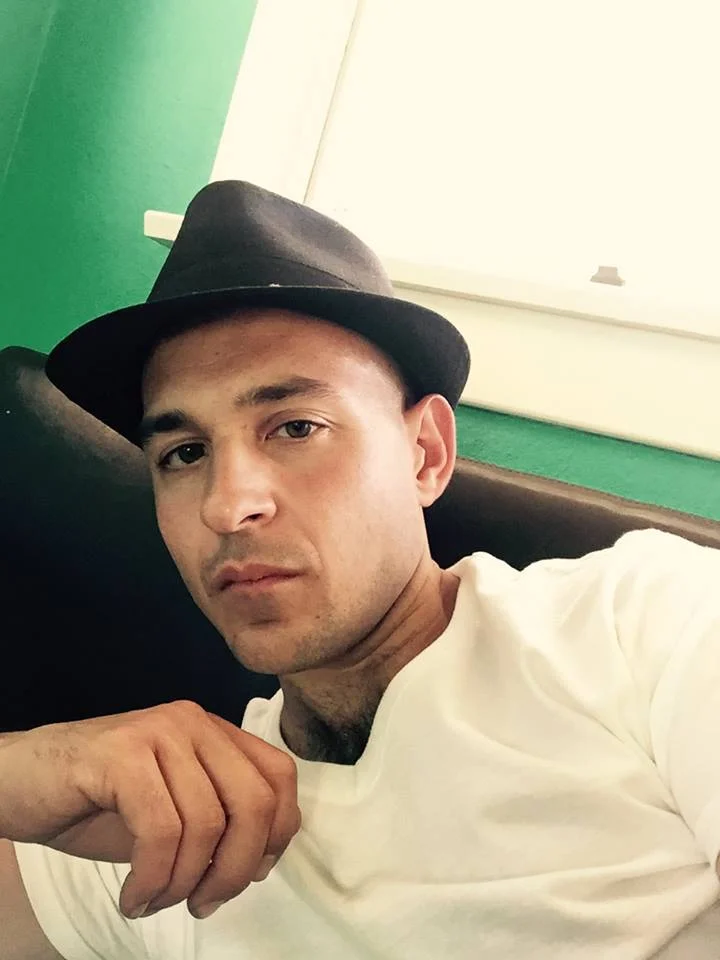
It’s always a pleasure to engage with passionate writers who are literary advocates and boundary-pushers, in their writing and in their outreach. Jon Marcantoni, a Colorado-based writer of Puerto Rican and Corsican descent, has committed himself to emboldening experimental writers of color, and challenging readers through his publishing programs and through his own genre-bending novels, plays, and short works. In 2016, he founded La Casita Grande Press, an imprint dedicated to Caribbean and Latino writers. He is the author of four novels, all dealing with Puerto Rican socio-political concerns. In 2017, he won awards from the Mexico International Film Festival, the Oaxaca FilmFest, and El Ojo Cojo Film Festival for his screenplay El festejo de San Sebastián. He has appeared in Huffington Post, LA Times, Latino Rebels, Washington Post, NBC Latino, Publisher’s Weekly, and El Nuevo Dia, amongst publications. He lives in Colorado Springs, CO, and teaches at the University of Colorado.
In this interview from 2017, we discuss bilingual writing, the power of plays, multi-genre works, and running a Latino press, amongst other topics.
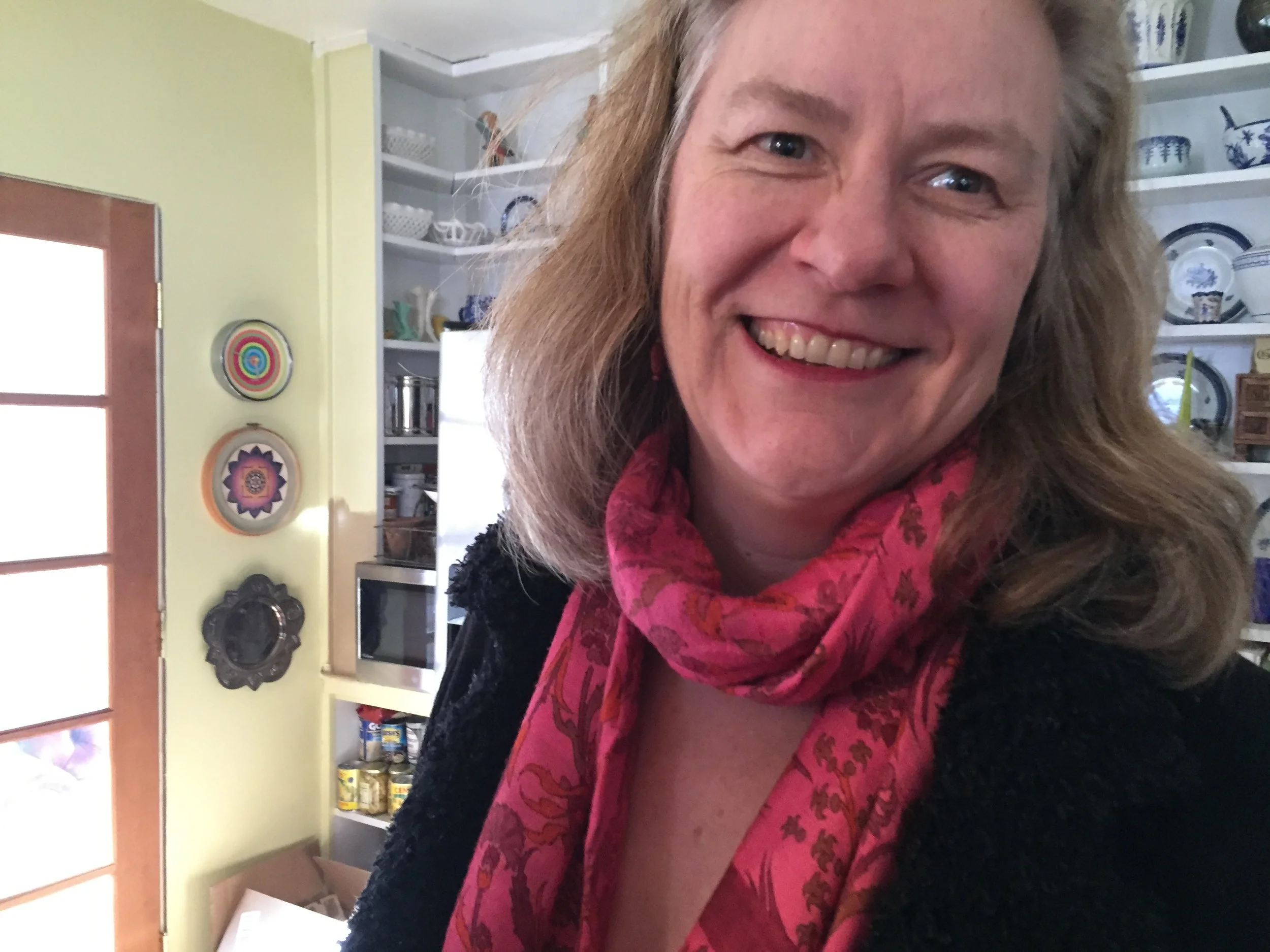
I was a child on the south side of Chicago during the late 60s/early 70s – a time much like this one – when politics and social change is in the air we breathe and the water we drink. My father was a civil rights activist and I marched with him against the Vietnam War when I was five. My sister and I sold bumper stickers for George McGovern’s presidential campaign when I was nine.
Critically, too, my neighborhood, my schools, my choir, my church were what we used to call “integrated”: I was a middle-class white girl who grew up surrounded by Black people, who had Black friends from nursery school on, who was frequently the only white person in the room, in the house, at the party, on the bus, who had no idea this was unusual for a white person in America.
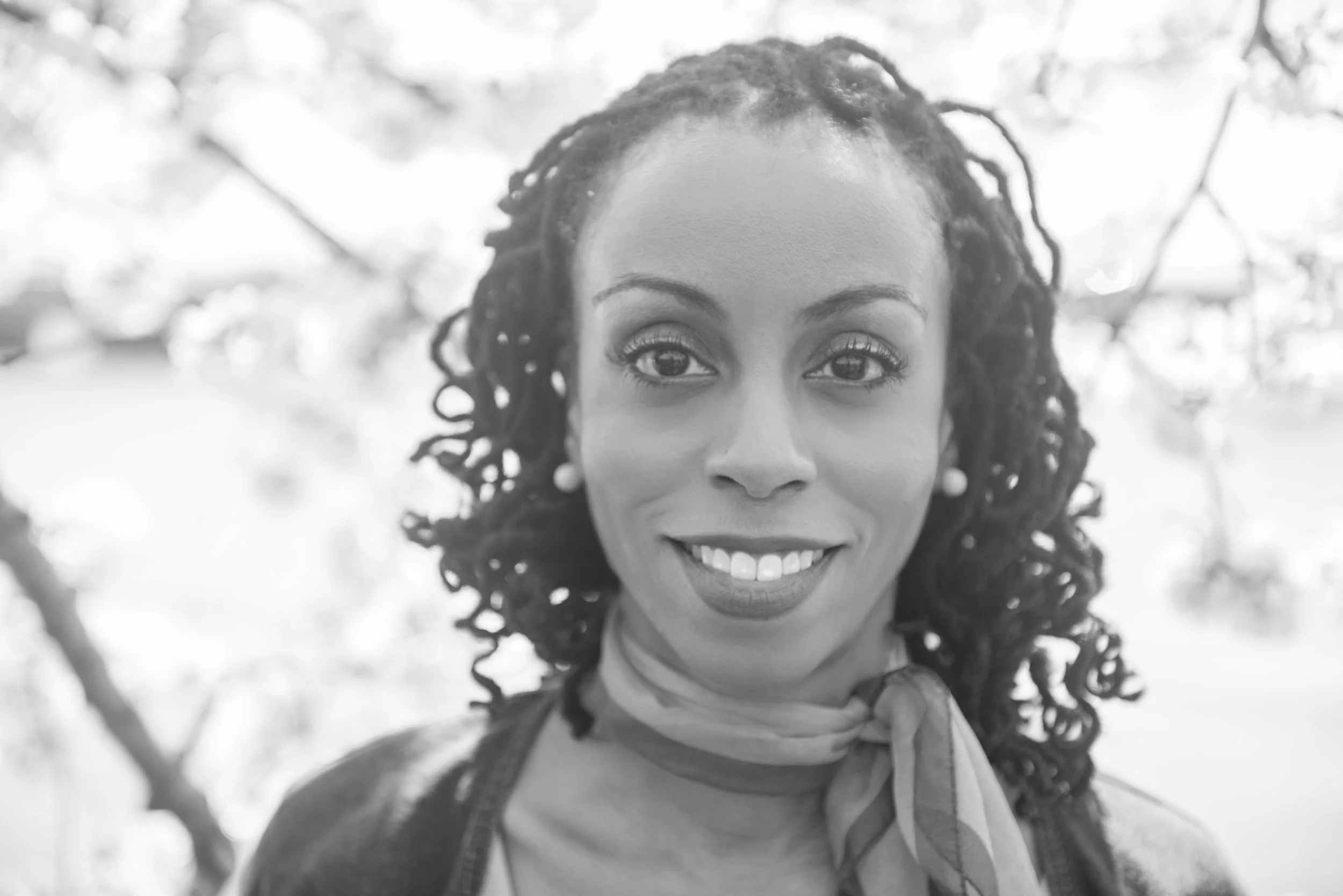
I love the magical and fantastic element in writing. I get a thrill at the duality of the mundane next to wildness. I think the contrast heightens both aspects and leaves me an enormous landscape to create and illustrate how characters interact and respond to that landscape. I never tire of creating doors with fantastic elements and having the story go through that door to more discovery of something deeper or hidden.
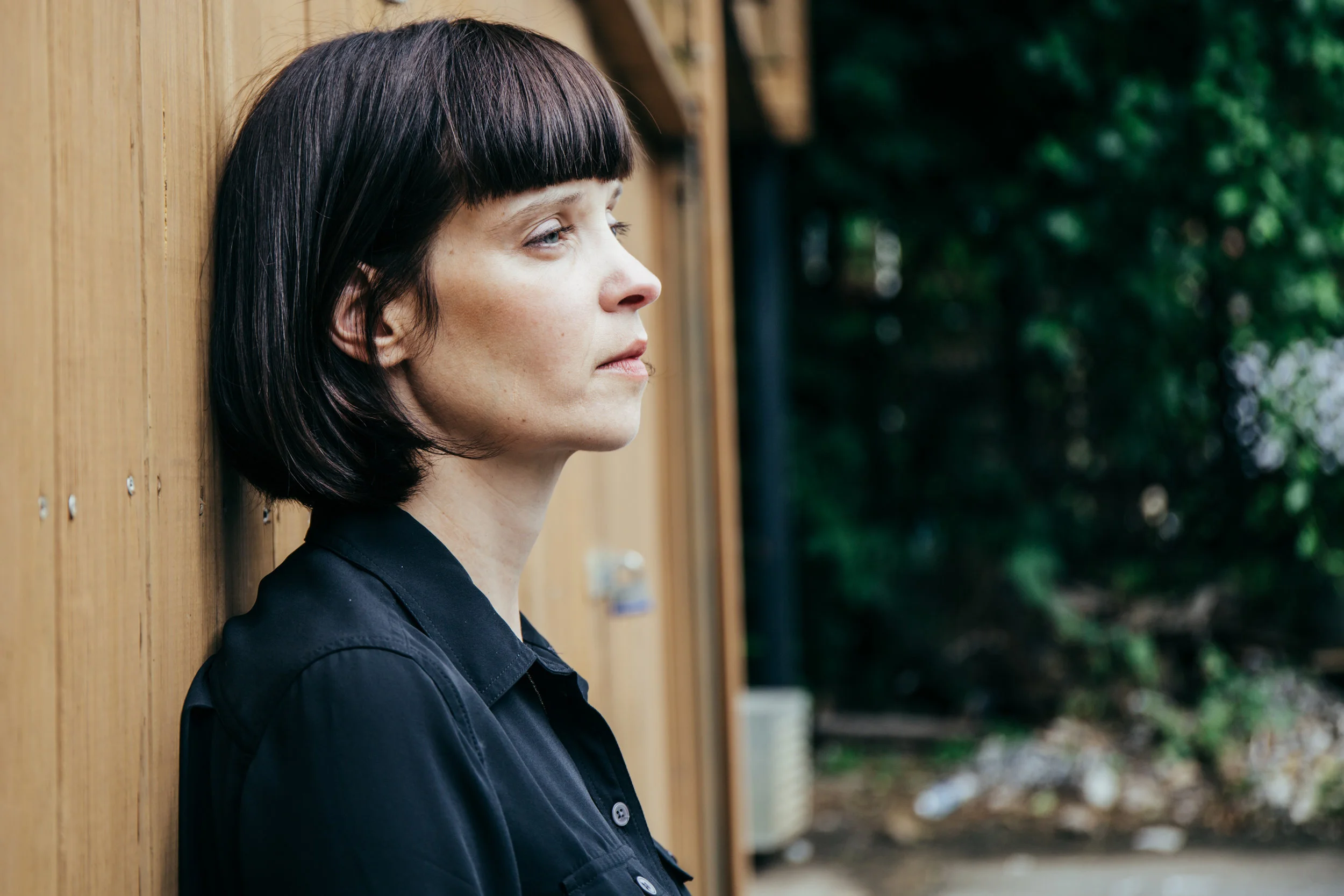
There’s this sense that there’s abject poverty for Native people, that their lives are always a plight, tragic and dark. Then there’s the romanticizing of the environmental Indian, the wise, the “please teach us your ways,” the spiritual Indian. I’m interested in the continuum, all of the spaces in between those two false extremes.
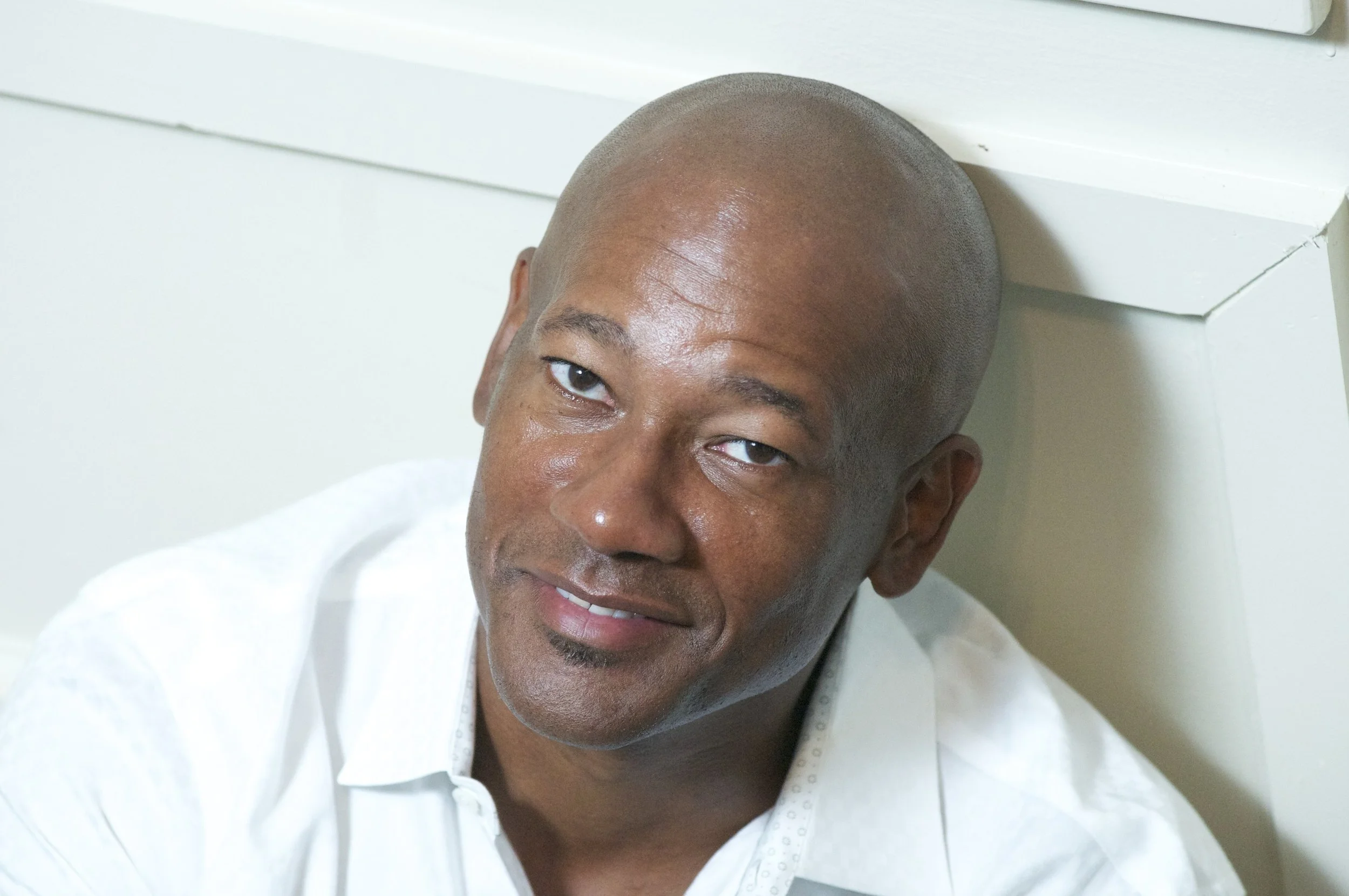
I'd say everything about my origins has affected me. Growing up in the south and being made aware of social injustice has influenced my activity as an artist activist. Growing up in a space where there has never been a long line of black male poets has influenced my productivity. I always feel like I have to write more, that I'm writing for more than one poet. Growing up in the projects, poor, raised by a single mother who was also a Pentecostal minister gave me lots of material, and motivation to create work that showed the beauty and dignity of my origins and shattered the stereotypes as often as possible.
I often feel disconnected with the ways in which native academics talk about Native Americans and native literature. Sometimes I feel like native academics (and often native writers, to be fair) are performing being Indian for a non-native audience. They seem to present natives not only as if we are (only) natural and spiritual, but also in this deeply ambiguous way, a way that’s not particularly realistic or reflective of our lives.
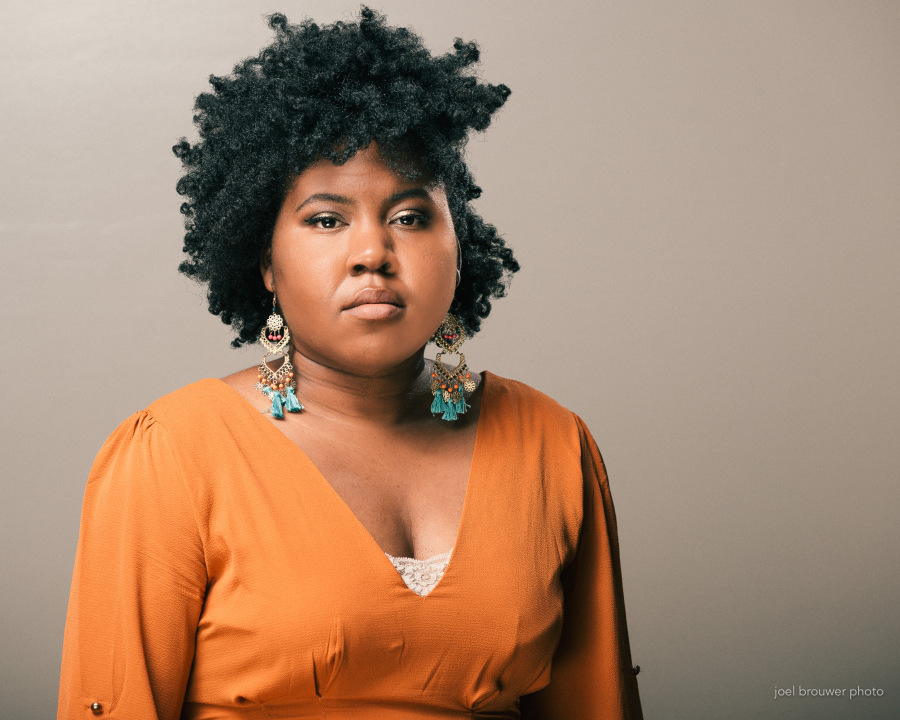
I tell my students that it’s most important to find your specific voice, find your truth and write about that. I used to think I wasn’t Black enough or that my upbringing was too this and not enough that, but when I just wrote my story, I realized that lots of people identified with me, and that my existence was valid, and that the honesty I brought to the page was ringing true for many readers all across the country. Being specific to your own story creates work that can reach people on a universal level, and that’s what’s most important!
We’re all on this Earth together with the same fate, all on a ship being deported to that other place in the sky. So the idea was to say that regardless of where we come from, regardless of our racial makeup or our social status or our religion or whatever our beliefs are, none of us is spared our fate in the end. Same goes for the immigration conversation—we're all in it together.
I was trained to be afraid that my words could be used against me in a court of law. That still holds true, but now I refuse to do the state’s work by self-regulating. I know this puts me in a precarious position, but I’ve lived a closet-free life for this long, and I plan to defend that with all I have.
There are almost 65 million refugees in this world. Many of us appear to be afraid of whoever is the "other" and seek leaders who want to exclude newcomers. That said, I think progressive peoples everywhere need to reclaim painful dialogue in place of our echo chambers. I don’t think it is helpful to judge or categorically dismiss those who are excluding the minority. I think we may need to listen carefully to what is at stake for those who are making these divisive policies.

If you’ve made publishing your creative work a priority in life then you know what it’s like to be a mole in the old whack-a-mole game. With each decision—from editing material to finding a publisher to navigating setbacks—you expose yourself and your beloved ideas to being knocked down, enough so that the whole nerve-twisting experience can make even the most dedicated writer want to quit playing. So with a number of writers here at the University of Houston planning on revising a story or two over the Thanksgiving break instead of being with loved ones, this dedication to writing and publishing is on my mind when I sit down with Mat Johnson in his office. To date, Mat has nine major publications, and though he’s taken a few to the chin while fighting for these works, he continues to develop and send work out often. Earlier in the day, we had a quick conversation about the risks of making publishing a priority in one’s life, so as we finish with small talk and he leans way back in his chair—an act revealing his easy-going attitude, while also belying a mind buzzing with plans and proposals—I ask him for an example of this risk. He lets out a laugh before he answers, something he frequently does.
Being a feminist author means taking women’s subjectivity, accomplishments, desires, interests, and difficulties seriously. Making them primary subjects of narrative, exactly as men’s subjectivity, accomplishments, desires, etc. have always been. A feminist writer explores this subject matter without worrying whether that portrayal dovetails with our culture’s stereotypes about women.
Poetry and the arts are effective tools for social change. They keep alive the opposition to the status quo. Poetry documents events for the collective social consciousness as an alternative to the “official” version, which most of us know is under tight, corporate control. Poetry records how we feel, and in doing so, reminds us of our humanity, of what we still share and have in common. Through poetry, I can proclaim my individual self but do it in such a way that allows the reader/listener to make connections based on personal experience. This allows us to consider how we may be different while also having so much in common. I truly believe that poetry is a powerful force of social change. I’m one of those people who believes all art is political. I’m not saying that poetry alone can create change, but yes, it is a tool.
"We shouldn’t let society degrade or scare our weirdness out of us. I think of queer as an idea. I also think about “queers” as a marginalized population. They’re the emo kids in the classroom. Or the weirdos. Or the artist or the hippies. All of those subpopulations are queer. Instead of saying that’s an artist or an emo, and using those terms as insults, saying those terms are awesome. That’s an artist. That’s cool. For me there are important populations that are suffering creatively and intellectually. Because a lot of people are scared of interesting, creative people who tend to be far out and goofy.
There’s also a difference between weird and queer and being a lunatic. Sometimes they coexist. Like me. I’m queer and I’m a lunatic."
I have made a conscious effort not to confine myself to writing about the India of the past. That would be an exercise in nostalgia and I would soon run out of material. I’m more interested in exploring the “dual-time” that immigrants inhabit, in which I’m here in America with India hovering like a ghost in the back of my mind.
Writers tend to be the quiet observers, the ones who take note of the strangeness of their worlds while most everyone else is happily going along, either complicit or in denial of the absurdities and cruelties. In the last ten years, however, the United States has been forced to face itself—first with 9/11 and the endless wars in the Middle East, then with Occupy and increased awareness of inequality, and now with Black Lives Matter and the increasing awareness of systemic racism and violence toward minorities. Not to mention LGBTQ and women's rights. All of this is hard to ignore if you are a writer today, though I do see a lot of oblivious submissions and can't help wondering, "what time period are you writing in?"
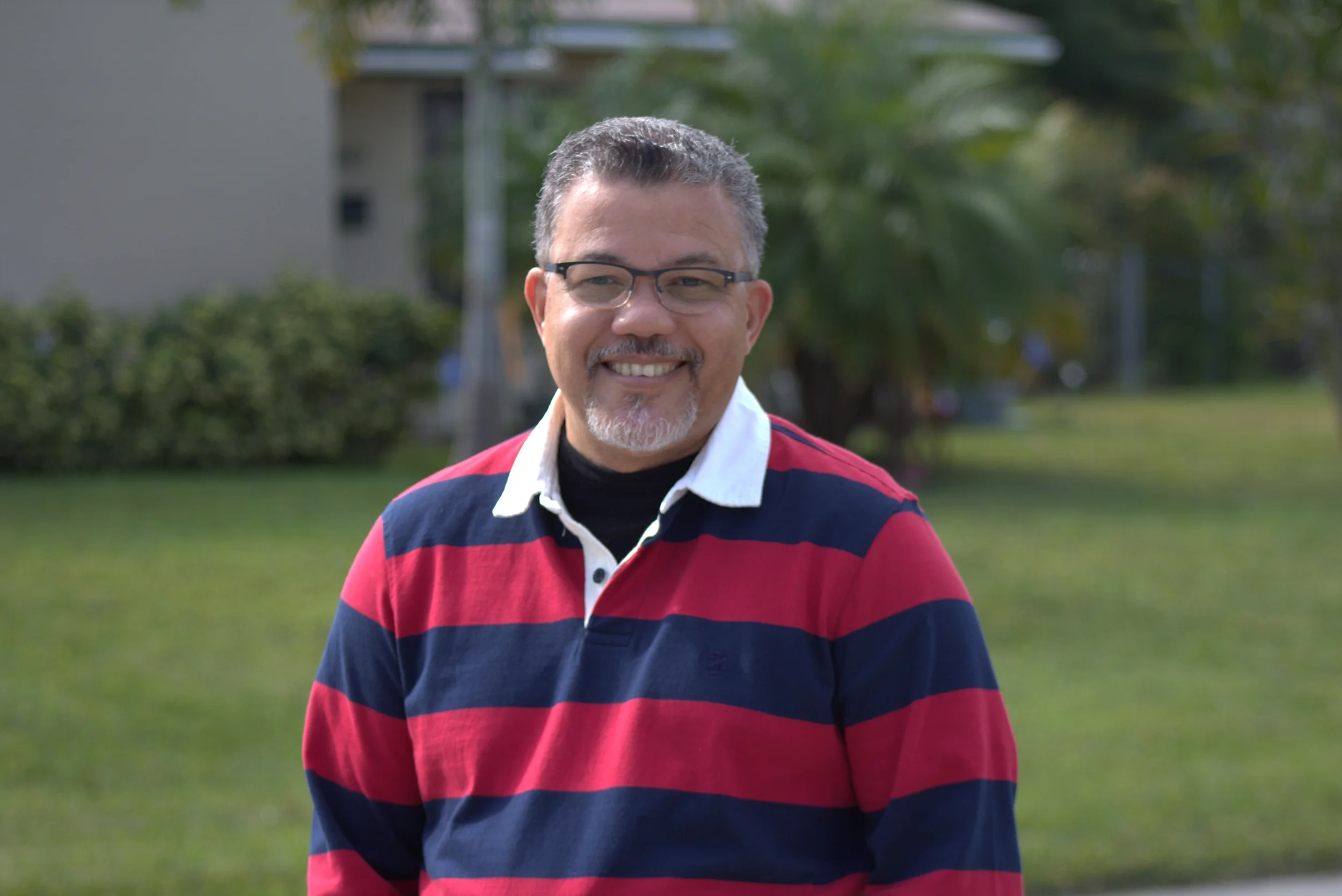
"I started finding out about my father and all of these years I felt part of my family had him, and I didn’t. They were like, 'Listen, [your father] would only listen to the BBC news. BBC at eight, at six. Forget Bob Marley.' And I was like, Thank God I didn’t grow up with him...I also read this book called My Mother Who Fathered Me. The book asks how do you establish yourself as a Caribbean man when there isn’t a father around? Of course you’ll have baggage left over. It asks what is Caribbean masculinity? Which is why I wrote that set of short stories, Who’s Your Daddy, which is looking at that question from 18 different ways. Which is also why I wrote that story How Do You Tell, too. Because if you’re a gay Caribbean man, will our culture consider you a man?"
"Who says we can't cross genres? Who says a painting can’t be spoken and poetry can’t be total silence?
In various indigenous cultures there is rarely a distinction between such forms. Poems are dances are songs are food. These delineations, or dare I say, borders, are first world concoctions. Ultimately, for me, art is a free space. A space of total possibility. And it is the last place I would ever want to be stifled by limitations."
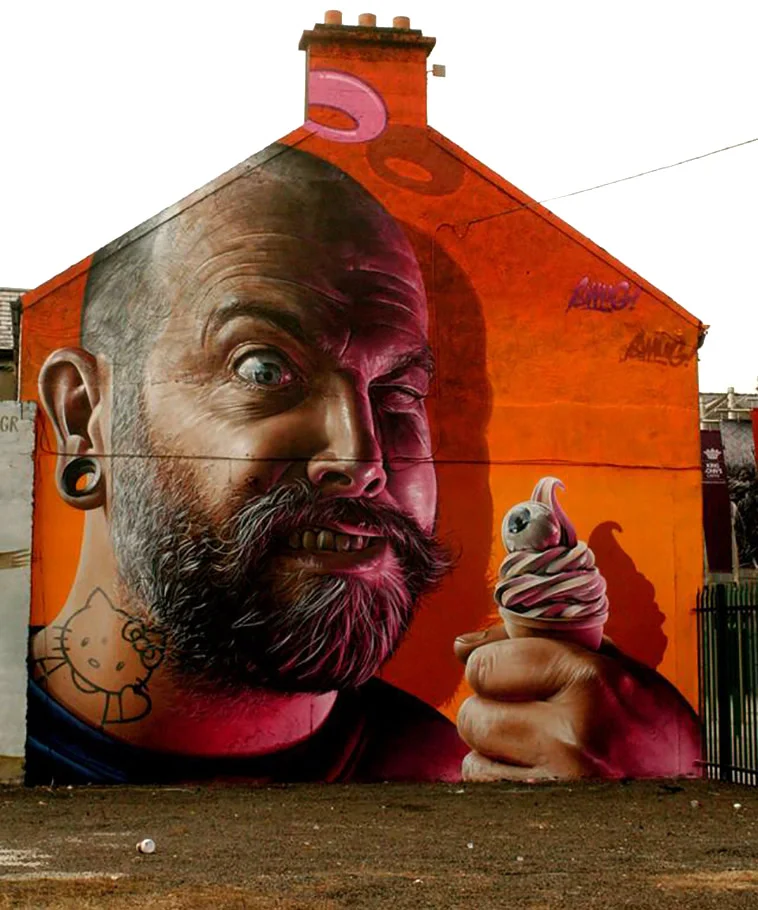
Narrative 4 fosters radical empathy in individuals from myriad backgrounds and different walks of life to change the way they interact with their communities and the world. The story exchange is the core methodology of Narrative 4. In this process individuals trade and retell each other’s stories in the first person. This builds empathy by giving participants the singular experience of walking in another person’s shoes and seeing the world through their eyes. The story exchange can be put into action almost anywhere, from schools seeking to decrease bullying to groups of adults engaged around certain issues The story exchange creates safety, openness and a level playing field for all participants, giving them the opportunity to experience personal narratives with understanding, and without judgement.
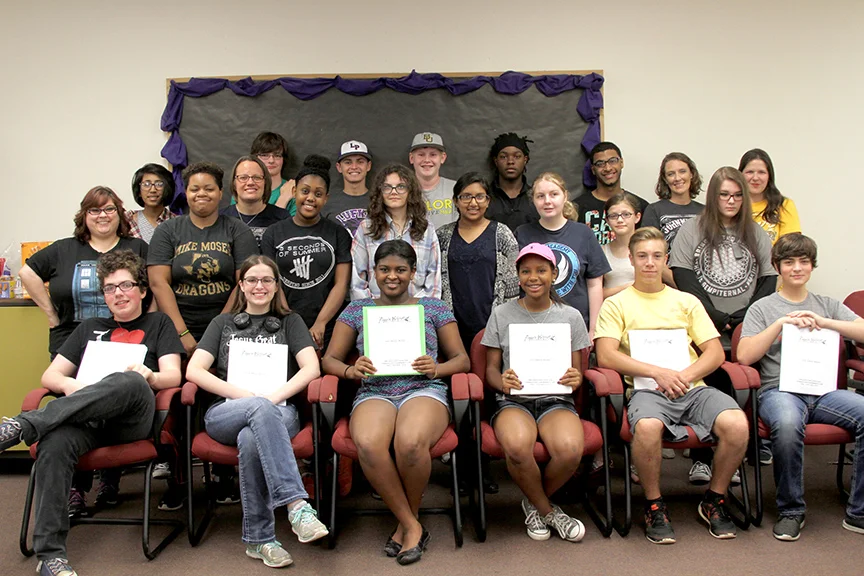
Since 2009, Barrio Writers has worked to empower teens through creative writing instruction, higher education and cultural arts programming.
At Origins, one of our goals is to publish the work of writers and artists who might not otherwise have access to publishing. This has given rise to Project Amplify, a new initiative and collaboration with nonprofit arts programs around the globe. Here's the inaugural Project Amplify issue featuring poetry and art from Xhosa students in Port Elizabeth, South Africa.
Nonfiction
I started college just a couple months after the funeral. I held Mama's death like a secret in my mouth. It was strange at first when people asked me, “What do your parents do?” Those sorts of questions did not belong to me anymore. But I played along. I spoke about them in the present tense. Sometimes, I made stories up about how they returned to the motherland, and how I would reunite with them in Libya once I completed my studies. “That’s the only reason I’m here,” I would say. And it did not always sound like a lie. I was afraid of what may come with telling, and telling the truth felt like a betrayal of the most intimate part of who I was.
My very first job was in a clothing store called Happy Woman, and it was two blocks from Steinway Street, the busiest shopping street in Astoria, Queens. The couple who ran the shop were in their mid-thirties and they had moved to New York after the Iranian Revolution. He was of average height, with thick hair and a mustache. She was a petite woman with dark, wavy hair that reached down to her waist, and she had the most beautiful green eyes I’d ever seen. She was also extremely pregnant.
In Translation
This excerpt is the concluding chapter of Vladimir Vertlib’s novel Intermediate Stations (Zwischenstationen), an account of the migratory progress of a Russian Jewish family between Austria, Israel, Italy, the U.S. and the Netherlands, finally settling in Austria. As in much of this writer’s oeuvre, the experiences of the unnamed protagonist share many similarities with the author’s personal history, although Vertlib insists that the work is not an autobiography.
The final ‘station’ in the unnamed narrator’s odyssey is a move from Vienna to Salzburg – not a long-distance, international uprooting, yet one still weighted with significance for him. As his reflective musings show, the three-hour journey sets up a dialectic of opposing influences as he moves from a familiar environment to a newer and culturally different one, and from parental norms and influences to greater independence. This, too, is a migration, the text implies, while pointing out some of the many hallmarks of identity and belonging such as customary rituals, a circle of friends, prejudices and cultural stereotypes, and language. Vertlib’s distinctive contribution to this topic is his ironic, distanced stance and his wonderful, often self-deprecating humor. That irrepressible levity has (literally) the last word, too, in an exuberant and untranslatable Austrian yodel of joy.
Fiction
Each colonist was allowed three personal articles, and each had to be able to fit in the palm of a hand. They were reminders of life on Earth. As time passed, new generations revered these objects, their peculiarity and their contradictions. What use was a pocket watch to a day longer than twenty-four hours? Except it was a pretty contraption, winding up to make a musical sound: tick, tick, tick, tick, tick...
The view in every direction was the same—sloping tables of wind-scraped land tilted this way and that as if they’d been dropped by a running child. There were no trees, just an incongruous carpet of bright green grass sown across volcanic rock. Low clouds scudded past overhead, the sky bearing down on Pete Harmon so that he seemed to be on the summit of a high peak rather than twenty feet above sea level. That’s how he would describe Iceland to Tower, a mountain breaking through the ocean.
In the evening, we would all gather around little Mable because she was the one with the proper way of speaking—like she was from New York, or grown and had been to college—and Momma would light the kerosene lamp, and hopefully John, that’s my father, would have passed out by then. I can see him now, sleeping all big and pronounced on the gritty wood floor in the main room with his head turned side on his crossed-over arms, snoring some, like a man with a face as soft and gentle as his had no business doing.
Whether he was drunk from moonshine, which he usually was, or just worn out from the labor of the pulp wood during one of his rare being-on-the-wagon times, it was best that he’d be snoring with that deep hum of his before the story began or he’d ruin it with his “thoughts on the matter” of everything. He liked to hear himself say those words. “I got thoughts on that matter,” he’d say and go on about something that wasn’t the point of what was happening in the story, which is what we wanted to hear—about those far off places that most of us would never get to see. We knew that, that we’d never get to the places except in those stories, which is why we all loved the reading so.
I was the last of my father’s nineteen children and the first to be graced with his forename because I was the first boy. My father was already sixty-some when I was born. He made grand promises to me of life and work, the things that make up the dark side of the earth. He would tell me in private that it was a full-time job and then some providing salvation to his children, that he knew I would build upon what he had built.
Cid Octavio Cortejo and I meet here because nobody else does. Not in the daytime. People take their kids to the park on Clinton that’s mulched at its base, from plastic slides to swings, and connected with monkey bars and floating tunnels...
Step 1
Still loaded to the gunwales, I kick in the door and brandish my cutlass. The blade shimmers in the electric lanterns’ murky flames. I’m rusty on my hinges. You know how I get, Zaffy. “Scurvy dogs!” I say, but my intentions stick in my throat. All deadlights are on me.
“Welcome back, friend,” says a swarthy man with spectacles. He gestures to an empty seat in their circle. “Join us.”
The other participants, a rainbow of wretched humanity, shine their smiles at me, nodding. The ceilings are low, the light dim. The subterranean space always reminds me of the innards of a leaky schooner. I wander to a table littered with mangled pastries, grab a tiny cup and fill it with coffee. Hot but thin. I’d like to nip from the wineskin I took off that Spaniard near Hispañola, then funnel a spot of kill devil into my cup. But wouldn’t that defeat the purpose?
Gabe knew the kid wasn’t really named after him, but he still liked to say he was. He was the padrino, after all. Oscar’s girlfriend’s father and at least two other relatives were named Gabriel though, and Oscar and Lynette felt it necessary to bring that up whenever Gabe tried to boast. After the baptism they’d gone back to Lynette’s house, where Gabe took off his tie and ate carne asada and chicharrones and drank the good Stone beer he’d bought during his last trip to The Stuffed Sandwich on Las Tunas. The sun set and the grandparents wanted the party to end, but Oscar wanted to keep it going. Before Gabe knew what was happening, the keg was sitting in the bed of his truck, a silent stowaway. Then Oscar and Lynette started fighting, as usual, Oscar finally waving Gabe off and sending a text message later that the keg was Gabe’s and could he just bring it back the next day...
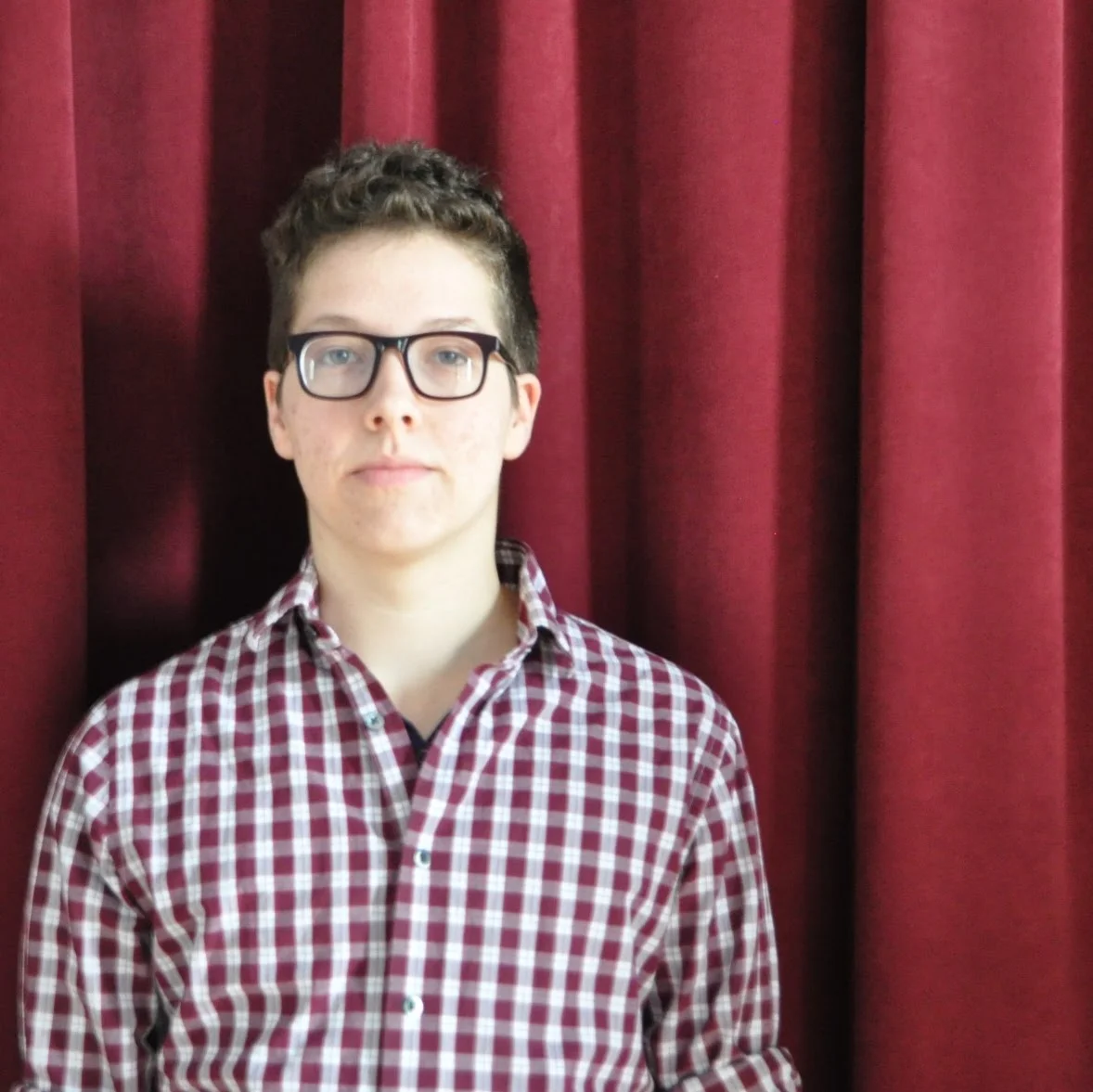
After sex I like to water the houseplants, share with them my body after fruitless mating and feel the heat of their little blossom breaths on my skin. Then the geese start up. I go to the kitchen window and there they are: going. Nina comes out looking like she’s about to cry, and part of me wants to go to her and tell her we’ll be fine without them. But these days all she cares about is that she’ll never see a goose again. She goes back to the bedroom and shuts the door.
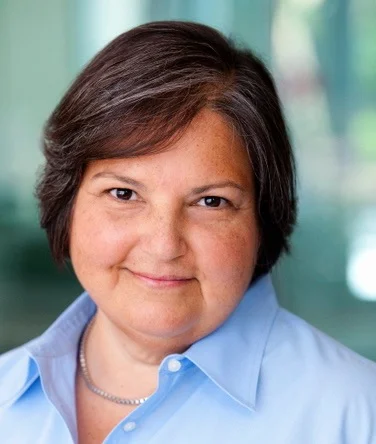
The commissioner needed Mercy to clean up another one of his messes; that much was clear just from looking at him. He was stiff, unsmiling, gray-faced. Tall and wide as a football player, he had to tiptoe through the dim consultation room crammed with bead-covered gourds, rusty old railroad spikes, black dolls in gingham dresses, cast-iron pots filled with butterscotch candies and penny offerings to the gods. He knocked into the life-size statue of Santa Barbara, her golden sword clattering in her plaster fist. Then he knocked into the life-size San Lazaro, the purple velvet cape that was draped over the saint’s leprous chest slipping to reveal a bony shoulder...
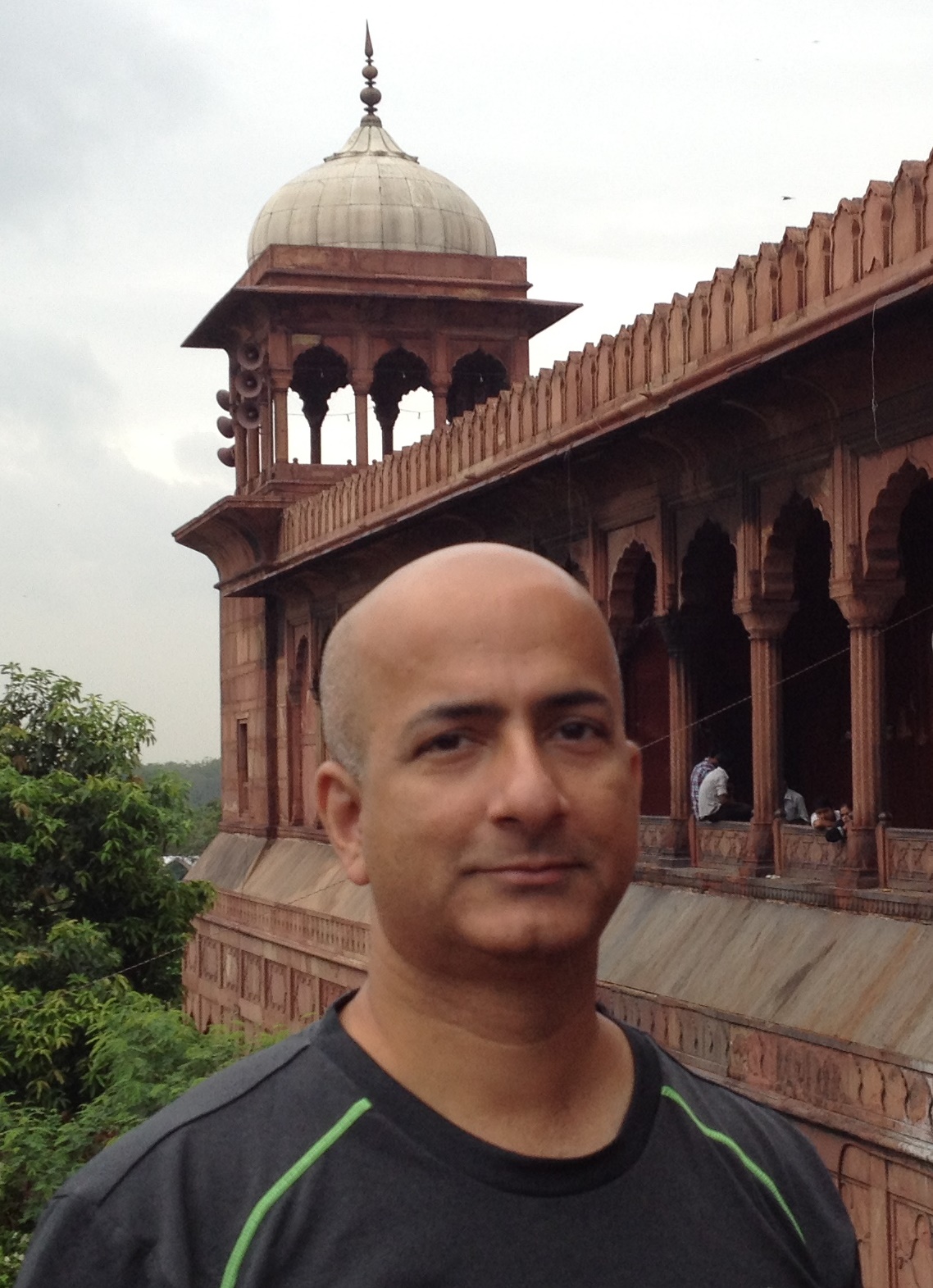
Father wanted me to follow Snigdha to the States but my Bachelor of Arts degree didn’t get me far (even for the boutique job Father had to pull some strings). In any case, I insisted on staying with him in Mumbai. It frustrates me that so many of our talented youth want to leave this wonderful land for the West, Snigdha being no exception. Since we were little she has been saying that if women wanted to be anywhere important in life, they’d have to leave India for the West. “Vasu, it’s only in the West that life, the way it was meant to be lived, is even possible,” she would say, much to my annoyance. “For women, the opportunities there—Oh! We can only dream of them in India.”

Every generation misses out on something, and for my parents it was the Second World War. For much of my childhood, though, I had the impression that my mother had been very much involved. When my sister complained about sharing a bedroom with me, my mother would describe the inside of an Anderson shelter. If we left vegetables uneaten on our plates, she would talk about life without bananas. We didn’t question her authority on such matters at the time. But later I found out that she’d been seven years old when the war began, and that neither she nor my father were greatly inconvenienced by it. Neither starved, neither was evacuated to some lonely Yorkshire village, neither lost a parent or close relative. My father remarked on this good fortune more than once, but I think my mother rather resented it. I think she envied those who’d had more direct experience of and involvement in the great formative event of her lifetime...
Someone stole his roadside memorial yesterday. It’s been all over the news. No one can stop talking about it. The one near the old oak off I-10. It was nothing special, though. A haphazard wooden cross, scattered flowers, and a laminated poster with his name italicized in green sans serif that had been printed at the library for eleven dollars. We Will Always Love You, Andrew! Kind of cheesy, if you want the truth. But someone stole it, and the town’s been skittish ever since...

We were high drama all the time, like everything started in the third act, and somewhere in our midst was a dagger, a pistol, or something that could stop the flight of arrows in our words, cutting through memories of people we've loved, hated, and leveled out of their wits. After a year since we met, we realized that particles of Eastern Europe in her heart couldn’t quite dig the sweaty, Sub-Saharan ballads I’d pile in her voicemails. We didn’t quite melt into each other in this melting pot called California.
The story I started telling you about? William. The dogman. He’s more than that now, I know, but sometimes that’s how I remember him. He goes by William now, sometimes Will, which he likes, unless he first meets people and then it’s William. You have to get to know him as Will. It comes naturally after a while, and then the wall falls down. He went by Billy for the longest time. He was someone else, too, when he was a dogman. He had another name back then, and before he was a dogman, he went by yet another name. Several names, in fact...
I always carry my hunting knife. I keep it real sharp. On my seventh birthday, my daddy taught me how to skin a squirrel. He gave me my own knife in a leather sheath when I turned 12. He had burned my initials, "L.A.," right there in the leather.
Tony teased me without mercy about that knife.
“Hey, girl, you can’t handle a knife that big! That’s a boy’s knife,” he’d say.
“So what if I’m a girl,” I’d answer my brother.
Then he just repeated my dad’s saying: “Never have a dog that’s too much for the master.”
Martinez, your brain is in Iraq even when your body is in Ysleta or Kansas City. These days in the desert, like years. These days waiting for nothing to happen, until something does. Your brain on adrenalin, hyped-up, bored beyond boredom, yet still coiled like an angry Texas rattlesnake. What’s happened to you, goddamnit? Seven months in Iraq, seven scars in your brain.
Poetry

Essays on Craft
As a college student, I learned a good title was essential to any piece of prose. Titles offer up a taste of what's to come. They predict content and snag the reader's attention. They also contain keywords that reflect the theme or central idea of the work...
At 14, I was given the richest cache of material an aspiring writer could wish for, and I knew it. This was in 1973, the Cold War was very much on, and my parents and I were leaving Moscow and heading West, to America. Becoming a refugee--such was the designation of our immigration status--can swing open the doors into an adventure novel.
Archival research and reading poetry seem like unlikely companions, yet for a nonfiction writer striving to tell a factual story these seemingly divergent activities fit together. Research helps me get the facts straight, and reading poetry often helps me find the language I need to weave those facts into a story.
I’m very good at giving writing advice. I know how to be practical and inspirational all at once; I know how to make it sound easy. I don’t have anything revolutionary to offer, just the basics: You have to write through the bad to get to the good. You don’t have to write every day, but the longer you go without working, the harder it is to get back in. All of it boils down to this: just write. Write anything; fill up the page. Don’t worry about whether it’s good, or even if it makes sense. Set a timer, or give yourself a goal: one page, 200 words, whatever. It doesn’t matter. Just get something down. One word after another: this is the way that books get written.
But here’s the thing: when it’s time for me to write, it’s as if I’ve never heard any of this...
We read books featuring animals and rabbits, vampires and wizards, and can figure it out. Surely, we can read about people of color without substantial appendices.
When I write, and read, narrative POV is the first thing I consider and notice. I am not exaggerating when I say I think it is the most important decision a writer makes when writing fiction. (When teaching, it is always the first topic I introduce to students, via James Wood’s very insightful How Fiction Works.) There is not only the question of “which POV?”—first person (singular or plural), second person, third person (omniscient or limited)—but also narrative distance, reliability, consistency and/or shifts. When settling on a narrative POV(s), you are essentially determining the work’s “aboutness.” If you are writing from an unusual POV like first person plural (“we”) for instance, or, say, the second person (“you”), this is especially evident. Or if your narrator is unreliable, this is not simply a “formal” decision but rather a driving force of content/meaning as well. (Think of novels like The Curious Incident of the Dog in the Nighttime or The Remains of the Day, for instance.) Finding the right POV for your fiction is often, necessarily, a trial-and-error process (I read once that Ishiguro “auditions” various narrators throughout the entire first year of working on a novel); it happens simultaneously as your story and characters find their own aboutness. Form and content shape each other.
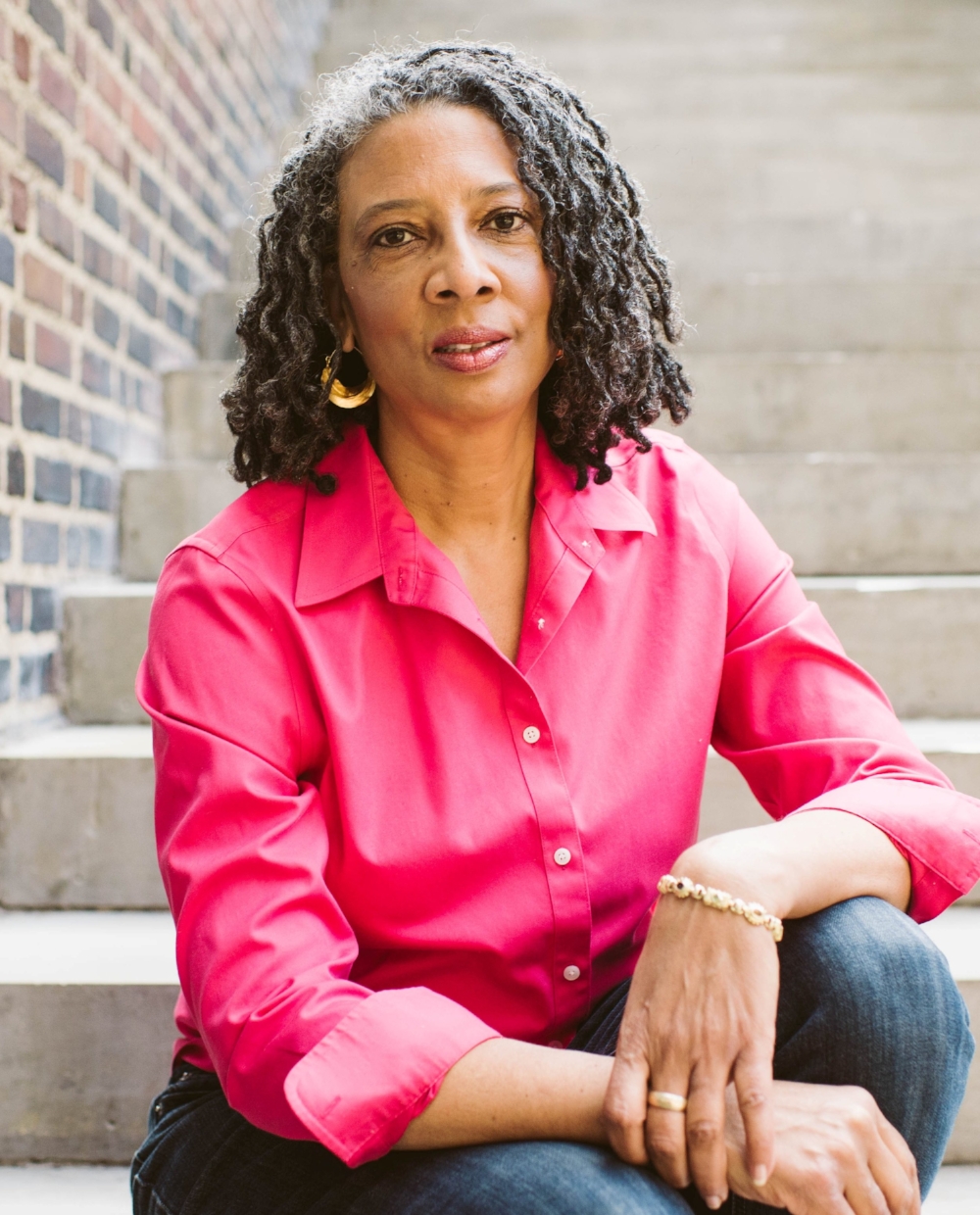
As a black fiction writer, I believe that the story of racism in America is the purview of all writers, not only writers of color. White, after all, is also a color. Enslavement in the Americas is European history, not just African American history or the history of indigenous peoples. It’s a collective history that needs all voices—perhaps especially white ones—to parse, deconstruct, analyze, and examine through fiction.
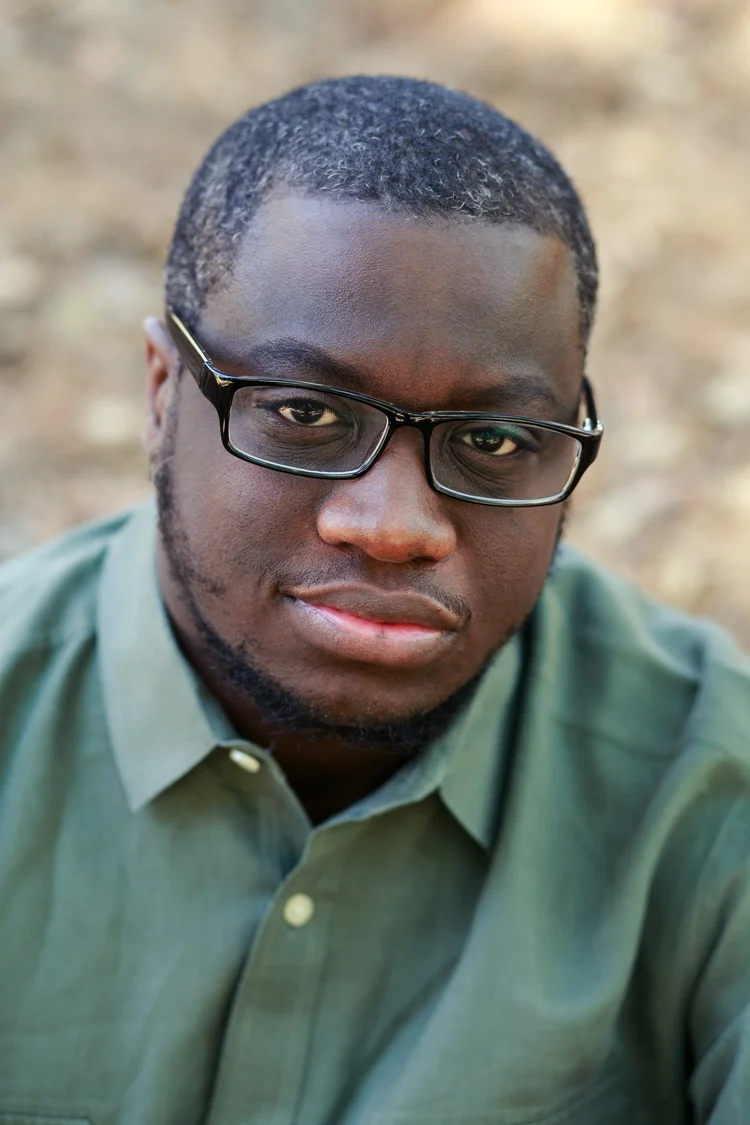
In his unreleased song, “Wastin’ Time (No More),” the late rapper Ol’ Dirty Bastard laments all the hours and days and years he threw away on womanizing, drug abuse, and incarceration. In the hook he pledges to never again “taste the drugs,” to “climb real high” and “feel free,” and most importantly to no longer waste time. I imagine the song was written and recorded in the spirit of triumph, that Dirty meant every single word, and that when he finished his lyrics, producers, studio engineers, collaborators, family members, maybe even record execs, stood and applauded, clapped Dirty on the back, felt good, really really good about the song, not just its quality, but what it represented: this troubled man finally getting right and coming out the storm. Alas, it’s impossible for me to listen to “Wastin’ Time” and feel triumph, to not feel sadness. Not long after recording the song, Dirty succumbed to the drug addiction he vowed to put behind him, taking with him every song he dreamt of recording but still left unsung.
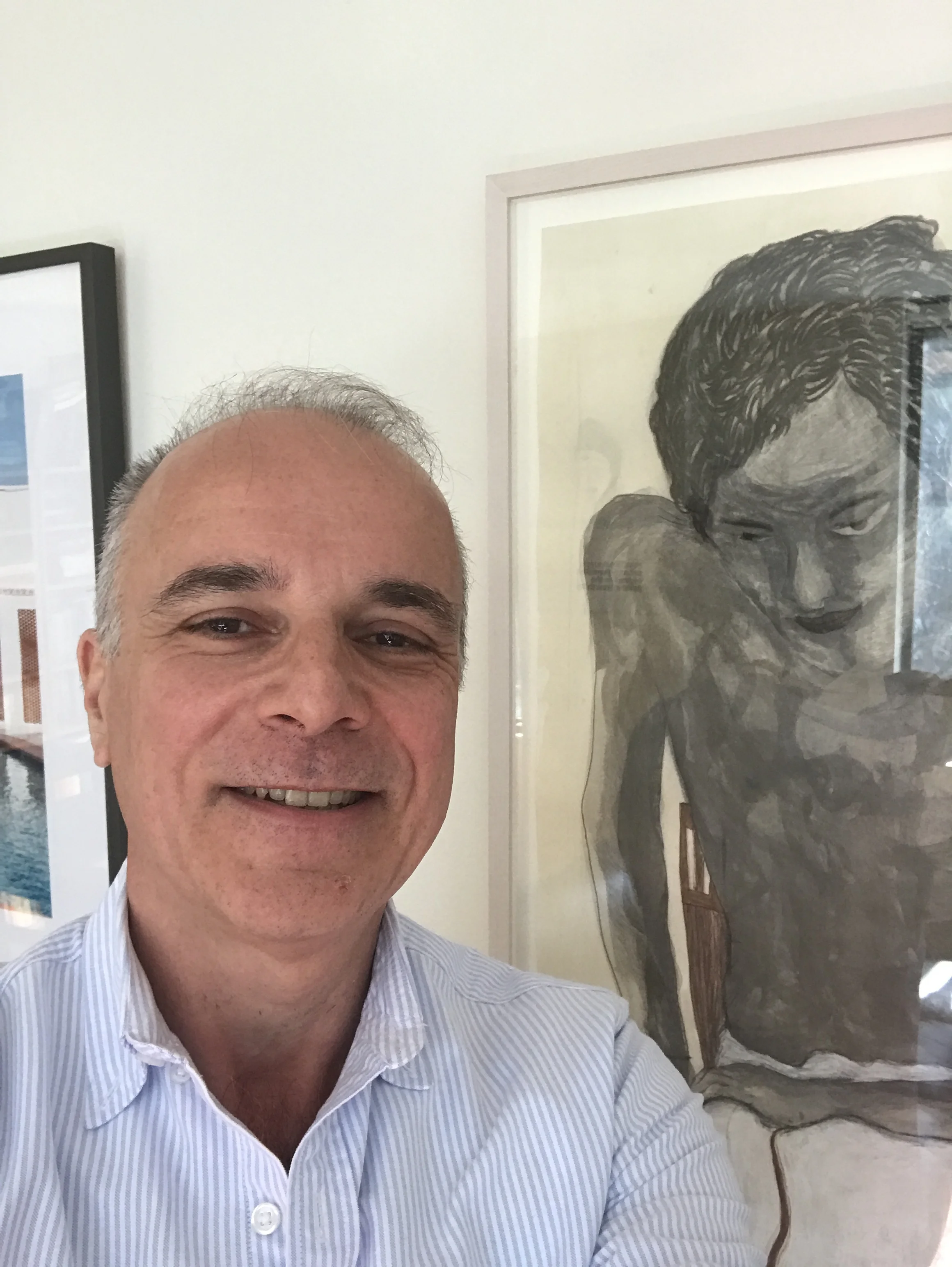
I am a white American male, but the central characters of my last two novels are a Muslim-Indian cook and a repressed Japanese Buddhist priest, while my current work in progress is in the voice of a Spanish private banker who is dying. I have never accepted the classic writer’s admonition that we should write only about what is organic to our lives. The joy of writing, for me, is to step out of my mundane existence for a while and to romp around as someone entirely different from myself. Perhaps I have, in the loneliness and isolation that is the writer’s lot, an emotional need to discover what I share with people living in the far corners of the world, in lives very different from my own.
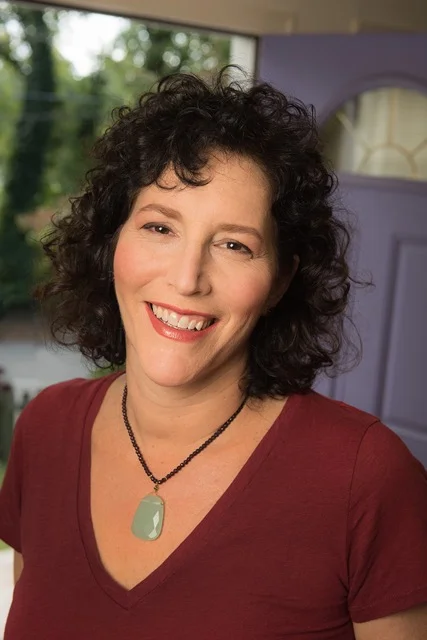
A SPECIAL SERIES:
Women Writers of the Caribbean
An interview series devoted to the complications, wonders and triumphs of the Caribbean and Caribbean American experience. In this series, writers discuss the influence of their cultural heritage on their work, craft techniques, and the state of the Caribbean literature in America today, among other topics.
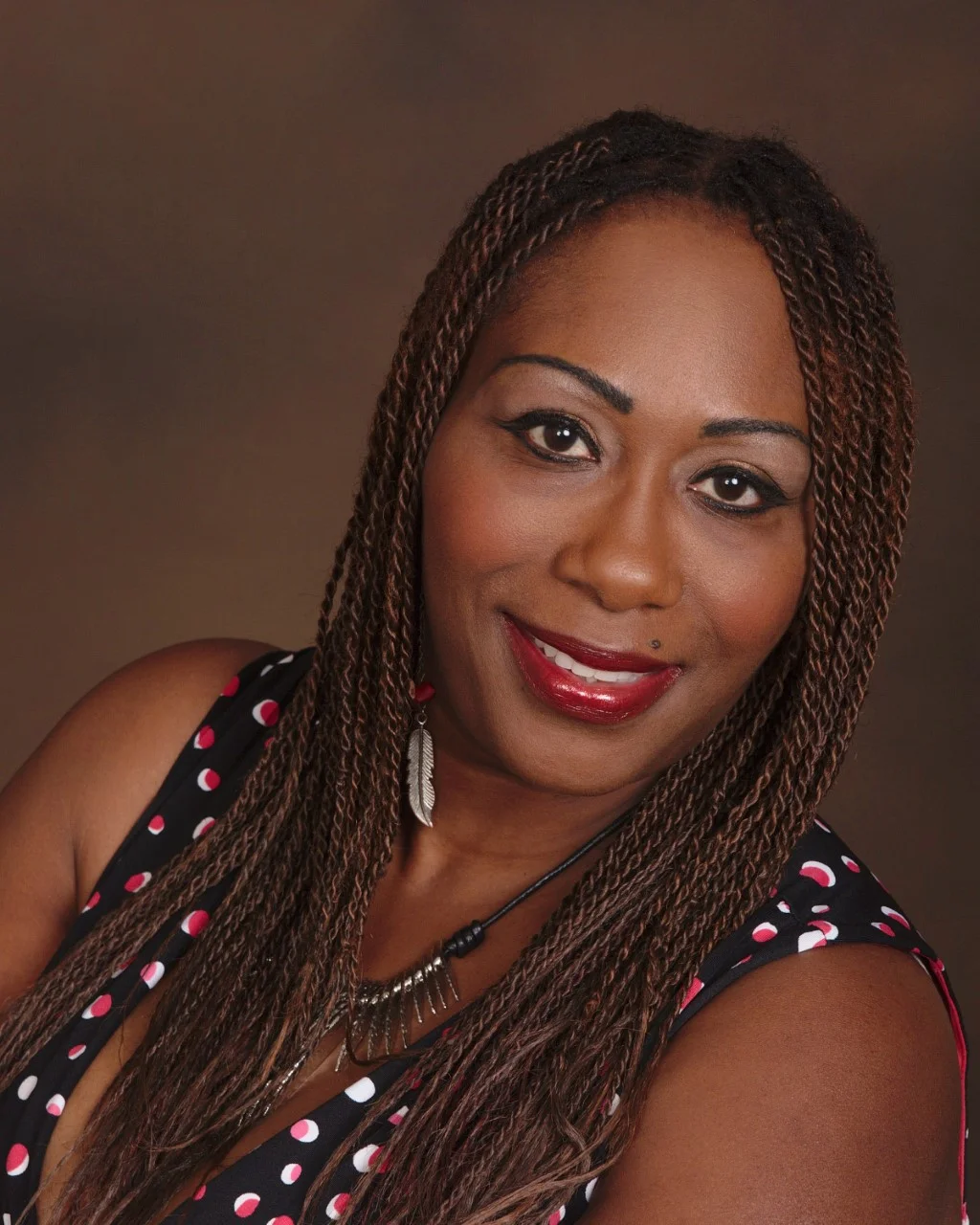
I have finally accepted that I am as American as I am Jamaican. I was born in Jamaica and partially raised there, but I have spent the better part of my life in this country, to which I owe so much of my personal and political development and achievements. To be more specific, I am as African-American as I am working-class Afro-Jamaican, meaning that my life experiences have been formed by that dual identity and all of the political, social and cultural nuances that are part and parcel of being part of two marginalized cultures and multiple marginalized identities. In many ways, I share more in common with working-class African-Americans than I do with middle-class Jamaicans. In other specific ways, I am so Jamaican, that I even surprise myself sometimes when I discover rigid cultural habits or waysof thinking/being in the world that I know I learned as a child. Home for me is a constant negotiation of identities, jumping emotional mine-shafts of childhood memories (nurturing as well as abusive), reaching across divides to create and sustain community for myself and my children, walking alongside kindred spirits I recognize as part of my tribe, as well as going only part of the way with others with whom I share a common humanity and culture, but no common values.
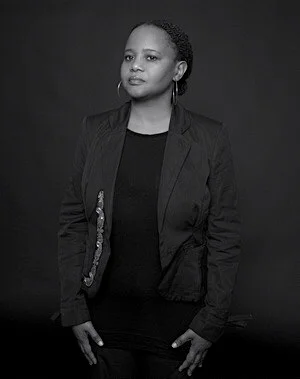
I think it would be crazy for me to think of my work as singly representational, like I represent all of Haiti or every Haitian, but I have always been proud to be connected to Haiti, to have Haiti in my blood and to rep Haiti, as the kids say, whether I was a chef, and taxi driver, like my dad, a seamstress like my mom or anything else. One person can’t speak for ten million people. I can only write from my perspective. And I hope it hits home for some people. And I know that perspective might be outright rejected by other people. So I’m not forcefully trying to be representational. I think it would be arrogant to say I’m representing anyone but myself. I think artists need that freedom to tell their stories. Or you’ll be shackled by everyone.
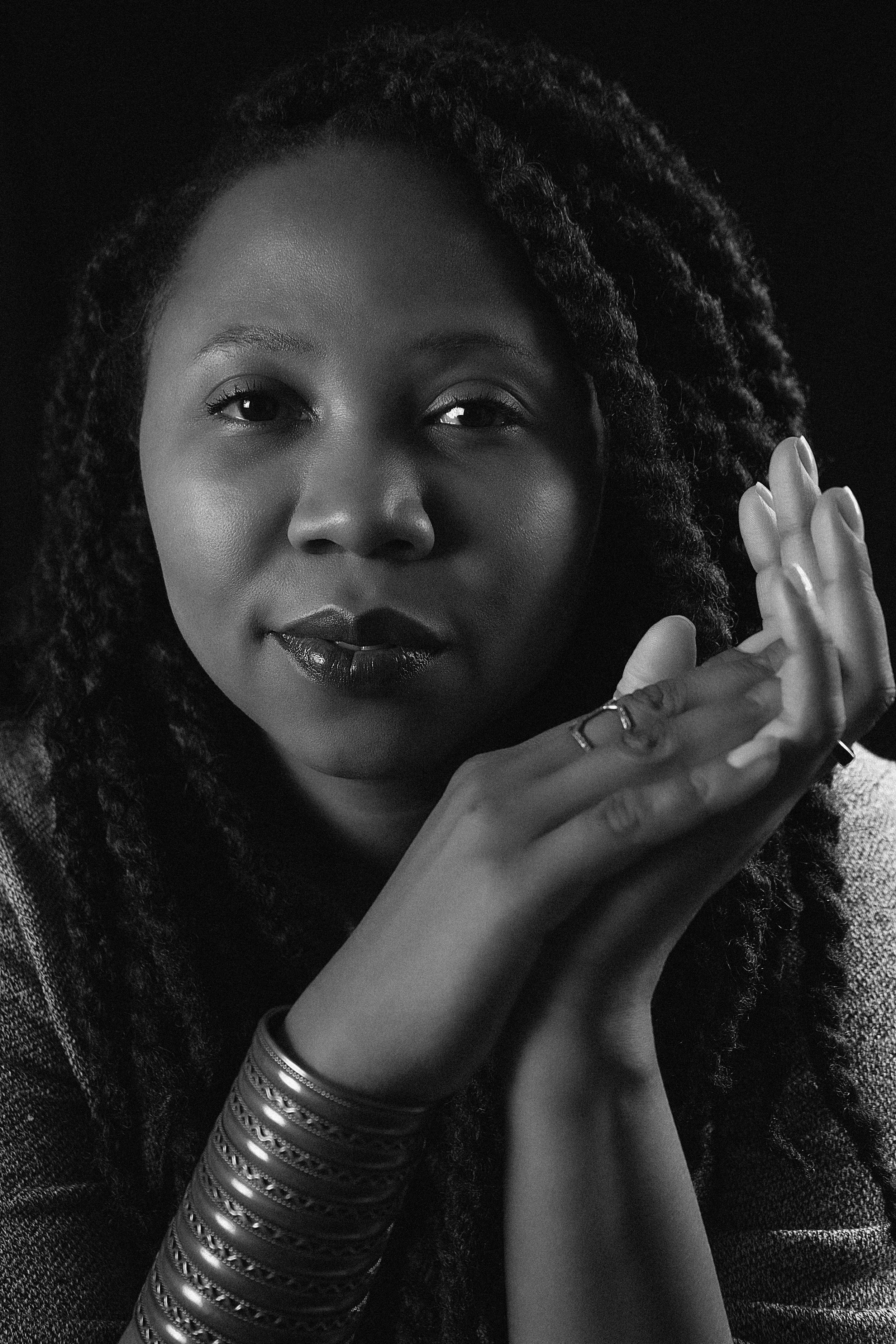
I am very proud of the work that is coming out of Haiti and the Caribbean right now, but that’s because I know of it and I wonder if the rest of the world is as aware. I love the representation we have now, but it is never enough. There are so many more emerging from the Caribbean, including those just now putting pen to paper, hoping to be published one day. What’s great, however, is that we all write literature in different styles. My hope for myself is to contribute something different to Haitian literature, the kind that mixes the political, the thrilling, the intrigue, the passion, the poetry, all of that together like a big pot of stew.
I believe my writing hails back to the tradition of immigrant narrative beginning with the English who arrived at Jamestown in the 1600s. Every immigrant group is different but very similar in the challenges it faces. Issues of identity and displacement are not only immigrant problems; these are shared by the population at large as well. There are really very few minority writers, Cuban or otherwise, in the American literary world.
What do we do about the lack of diversity in publishing? Or what can you do? There’s plenty you can do. If you’re a reader, you can start by reading widely and diversely, by looking for books written by writers of color, for example, by putting diverse books in the hands of young readers. If you’re a reviewer, you can read and review books by people of color. If you’re an editor, you can publish more people of color. And if you don’t have any/enough submissions from people of color, start soliciting! Reach out to writers of color and queer writers at conferences, at readings, at residencies. Put out a call on your website, on social media. But that’s not enough. Not even close.
At 16, when I began my writing career in Haiti and the other French Antilles, I embraced horror as my genre. I didn’t want to write about reality. Why would I? I was just a kid and, as I explain in A Sky the Color of Chaos, I barely understood people and politics. I also didn’t want to dwell on my fears and insecurities. In retrospect, however, I see that my fantastical tales foreshadowed my interest in nonfiction as I usually established a link between my stories and the political/social atmosphere in Haiti.
When people are constantly asked what they want to "be" and how they want to live and speak, and whether they "feel" more or less American, all for political gain, as if those things were up for discussion every day, you create a dearth of identity, a hunger for a sense of self. But being the resourceful people that we are, we've dealt with it by becoming creators of art, and through that art, I believe, succeeded in preserving our national soul, separate from whatever the politicians do.
A writer could spend a lifetime filling pages about the concept of home and its many definitions. Our mother is our first home, both physically and emotionally. Many of the complications of life spring directly from the memory of losing a primal home, whether that home was an actual place, or a parent, or both. Every break-up, estrangement, or emotional severance can contain a dim echo of its original impact.
Writers to Watch
Artists have more power and influence than they realize. Art is also important in terms of forming community and maintaining sanity. Solidarity is a beautiful thing, and is lifesaving. As much as this regime wants to deny our existence, and stifle our words, we cannot let them do this. We must be heard.
I call these works “migratory texts”; texts that are about migration & situated during a migratory passage or passages but also texts that actually move, that gyrate, that are elliptical & necessarily fractured & fragmentary. In tracking these poetics, the notebooks I am using as a self-archival allow me to also perform the theoretical frameworks I’m interested in, in a very personal way.
I'm convinced that geography shapes a person. And I'm working on a theory that I like to call the Western Gothic ethos. Growing up in the West, the open spaces, they inculcate a deep and sustained level of isolation in a person. You may live in a city, you may be surrounded by people, but you don't have to go far before you find yourself in a place with no one around.
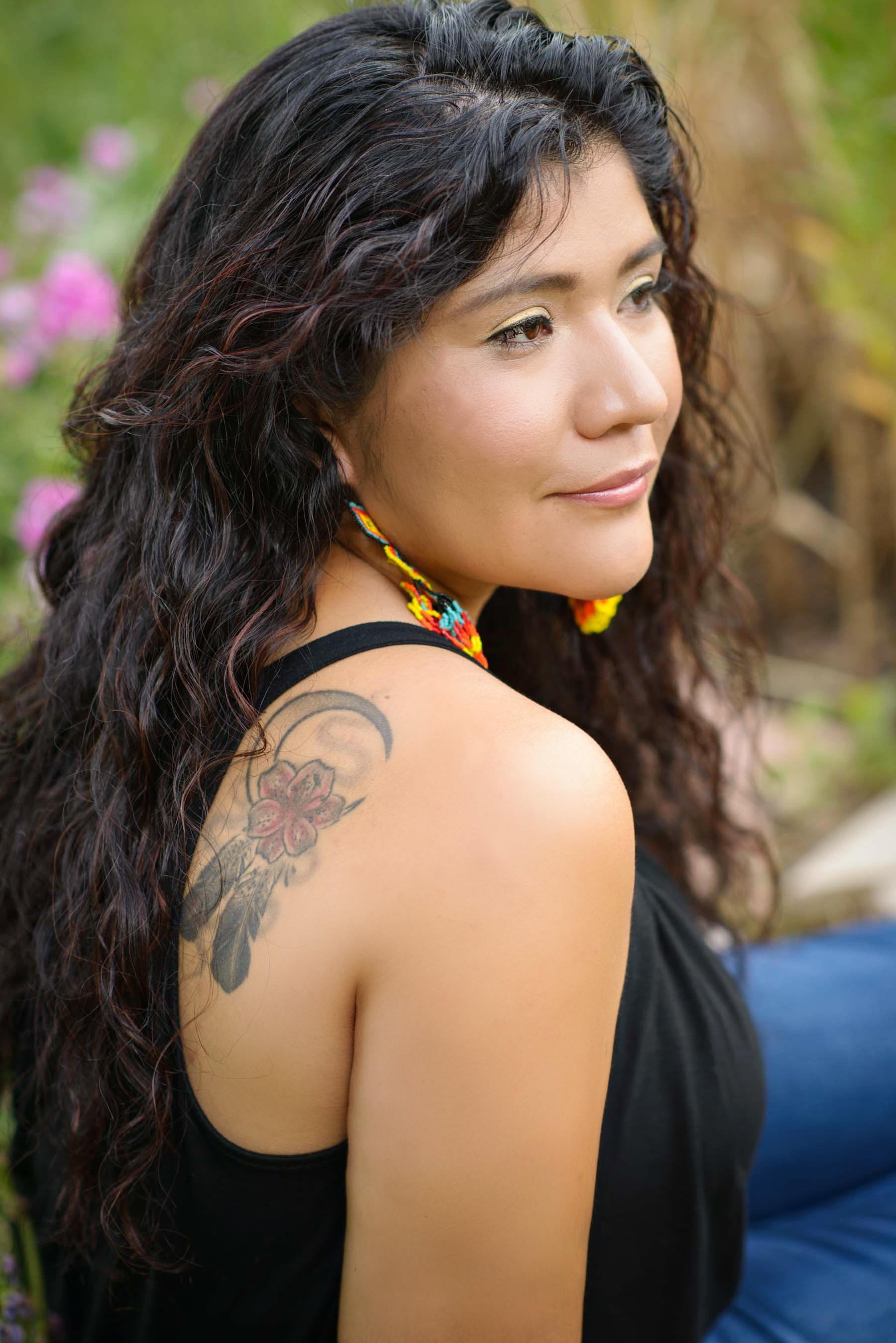
I try my best to always write with intention, asking myself the questions: What am I writing? Why am I writing this? Who am I writing this for? Sometimes it can be writing just for me initially, but then the bigger picture always comes into focus. I’m writing for my ancestors who made it possible for me to get to where I am today. I’m writing for my family, friends, the Native youth I work with, my community, and all of those who could benefit from this gift I’ve been given, and I write for those who will follow. I hope they’ll be encouraged to use their gifts as well.
As a Latina poet from a small desert community on the California/Mexico border, I strive to speak for and with the women with whom I grew up: the mothers, daughters, childless women, tías, and nanas. My writing is concerned with the complex relationships many women of color have with family and tradition, which are so rife with ambiguities. They’re often liberating and subjugating forces, both strengthening and repressive, with mythical dimensions and at the same time utterly real.